
Home Care After Surgery:What to Prepare for a Safe Recovery at Home
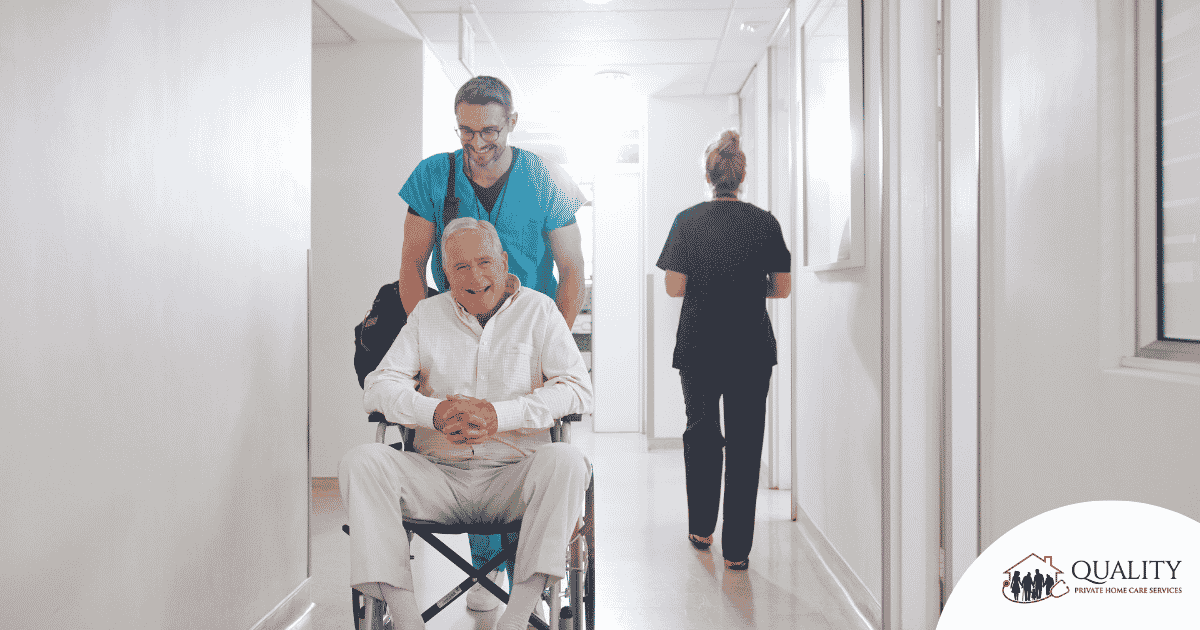
The day you leave the hospital often feels like a victory. The surgery is behind you, and you’re heading home to your own bed, your own kitchen, and your own routines. But many patients and families quickly discover that the first days and weeks after discharge are more demanding than expected. Pain, fatigue, limited mobility, and strict activity restrictions can make even simple tasks difficult.
If you’re wondering what to prepare before going home after surgery, this guide walks you through the essentials. It covers how to set up your space, when a caregiver makes sense, and how home care after surgery in Boston can help you recover safely at home after surgery.
Why the First Weeks at Home Matter
Hospitals are designed around recovery, with nurses on call, adjustable beds, and help close at hand. At home, you’re responsible for managing medications, following activity limits, preparing meals, and watching for warning signs. The Centers for Disease Control and Prevention notes that falls are a leading cause of injury among older adults, and recovering from an operation can raise that risk because of weakness, medications, and unfamiliar limits on movement. You can learn more about reducing that risk through the CDC’s falls prevention resources.
This is exactly where post-surgical care at home makes a difference. A little planning before discharge, and the right support afterward, can help you heal more comfortably and avoid preventable setbacks.
What to Prepare Before Going Home After Surgery
1. Get Clear Discharge Instructions
Before you leave the hospital, ask your care team to walk you through your discharge plan. Make sure you understand:
- Your medication schedule, including doses, timing, and side effects
- Activity limits, such as lifting, driving, stairs, and bathing
- Wound or incision care instructions
- Warning signs that mean you should call your surgeon or seek emergency care
- Follow-up appointments and any outpatient therapy
Write everything down or ask a family member to take notes. MedlinePlus, from the National Library of Medicine, offers plain-language information about many common surgeries and recovery topics.
2. Preparing Your Home for Post-Surgery Recovery
A few adjustments can make a big difference in safety and comfort:
- Clear walkways. Remove throw rugs, cords, and clutter that could cause a trip.
- Set up a recovery zone. Keep essentials such as phone, medications, water, tissues, remote, and glasses within arm’s reach of where you’ll rest.
- Improve bathroom safety. Consider a shower chair, grab bars, a raised toilet seat, and non-slip mats.
- Improve lighting. Use nightlights in hallways, bedrooms, and bathrooms.
- Reorganize the kitchen. Move frequently used items to waist height to avoid bending and reaching.
- Prepare your sleeping area. If stairs are difficult, consider setting up a first-floor space for the first stretch of recovery.
The National Institute on Aging shares practical advice on preventing falls at home that applies well to post-operative recovery.
3. Stock Up on Food, Supplies, and Medications
Before surgery or discharge, fill prescriptions and stock easy, nutritious meals. Healthy, simple foods can support healing, and frozen meals, soups, and ready-to-eat options reduce the need to cook. Also gather supplies such as bandages, ice packs, a thermometer, a pill organizer, and any equipment recommended by your surgeon or therapist.
4. Arrange Transportation and Appointments
You will likely need rides to follow-up visits, physical therapy, and pharmacy trips. Line these up in advance so you aren’t relying on last-minute favors.
5. Decide Who Will Help You
Family and friends are often the first line of support, but many families underestimate how much hands-on help a patient needs, and how quickly loved ones can burn out. This is the time to decide whether professional help makes sense.
Do I Need a Caregiver After Surgery?
Many people do, particularly if any of the following apply:
- You live alone or your spouse is also elderly or has health limitations
- You have restrictions on lifting, bending, or walking
- You’ll need help with bathing, dressing, toileting, or getting in and out of bed
- You are an older adult or have other chronic conditions
- Family members work or live far away
- You’ve had a joint replacement, cardiac, abdominal, spinal, or other major surgery
A caregiver after surgery at home provides an extra set of hands, reliable presence, and peace of mind. For home care for seniors recovering from surgery, that support can be especially valuable, because a short period of dependence can otherwise lead to falls, missed medications, poor nutrition, or a return to the hospital.
How Caregivers Help After Hospital Discharge
When you arrange in-home care after surgery, a trained caregiver can assist with the everyday tasks that become difficult during recovery. Typical assistance with daily activities after surgery includes:
- Help with bathing and dressing after surgery, including grooming, toileting, and safe transfers
- Mobility support, such as walking with you, helping you in and out of bed or chairs, and encouraging prescribed movement
- Meal planning and preparation, plus help with eating and staying hydrated
- Medication reminders to help you stay on schedule
- Light housekeeping and laundry to keep your recovery space clean and safe
- Transportation and errands, including rides to appointments and the pharmacy
- Companionship, which supports emotional well-being during a long recovery
Quality Private Home Care’s Home Health Aide services focus on dependable help with bathing, dressing, grooming, and other daily activities, so you can concentrate on healing while someone you trust handles the rest. Our broader personal care assistance in Boston, MA supports everyday routines such as mealtimes, mobility, and household tasks throughout your recovery.
Non-Medical Home Care vs. Home Health Care
It helps to understand the difference when you’re searching for home health care in Boston, MA:
- Home health care (skilled care) is medical care ordered by a physician, such as skilled nursing or physical therapy, delivered by licensed clinicians.
- Non-medical home care provides hands-on personal care and household support, with no clinical procedures involved.
Many patients use both. A visiting nurse or therapist may come for a short visit, while a private caregiver provides the ongoing daily support in between. This non-medical home care after surgery in Massachusetts fills the gap that skilled visits don’t cover.
How to Arrange Home Care After Hospital Discharge
If you’re asking how to arrange home care after hospital discharge, start early, ideally before the surgery date.
- Talk with your discharge planner or case manager. Ask what support they recommend and what the hospital can and cannot arrange.
- Define the level of help you need. Consider hours per day, overnight needs, and which tasks are hardest.
- Research agencies. Look for a licensed, insured agency with screened and trained caregivers, clear communication, and flexible scheduling.
- Schedule a care assessment. A good agency will evaluate your needs, home setup, and goals, and build a plan around them.
- Consider care coordination. When recovery involves multiple providers, appointments, and family members, a care manager can keep everything organized. Quality Private Home Care’s Care Management services help families coordinate support, communicate with providers, and plan next steps after discharge.
- Start services right at discharge, so there’s no gap between the hospital and home.
How Long Should I Have Home Care After Surgery?
There is no single answer. It depends on the type of surgery, your age and health, your home situation, and your surgeon’s guidance.
- Short-term home care after surgery may last a few days to several weeks for patients who are expected to regain independence quickly.
- Long-term home care services in Boston may be appropriate if recovery is prolonged, a chronic condition is involved, or you need ongoing help with daily living.
Because needs change as you heal, choose a provider that can scale care up or down. Ask your surgeon how long you should expect restrictions to last, and review your plan regularly.
Does Medicare Cover Non-Medical Home Care After Surgery?
In general, no. Original Medicare may cover part-time skilled home health services, such as nursing or therapy, when specific requirements are met, including that a doctor certifies you need skilled care and you are homebound. However, Medicare typically does not pay for custodial or personal care, such as help with bathing, dressing, meals, or companionship, when that is the only care you need. You can review the details on Medicare.gov’s pages for home health services and custodial care.
Because coverage rules vary by plan, check with your insurer, and consider other resources, such as long-term care insurance. Many families choose private pay home care in Boston, MA for the flexibility to arrange exactly the hours and services they want. Massachusetts residents can also explore programs and information through the Massachusetts Executive Office of Elder Affairs.
Where to Find Post-Surgery Home Care in Boston
When searching for private home care in Boston or post-surgery home care in Boston, MA, consider asking:
- Are caregivers screened, trained, and insured?
- Can you start services quickly, including right at hospital discharge?
- Do you offer both short-term and long-term care?
- Will the same caregivers visit consistently?
- Is there a care manager to coordinate with my family?
- How is pricing structured for private pay care?
Recommendations from your surgeon, discharge planner, and friends who’ve been through recovery can help, as can reading reviews and speaking directly with agencies.
Frequently Asked Questions
What should I prepare before going home after surgery?
Understand your discharge instructions, fill prescriptions, clear and organize your home, stock easy meals, arrange rides to appointments, and line up help with daily tasks. Planning for a caregiver before surgery avoids last-minute stress.
Do I need a caregiver after surgery?
If you live alone, have mobility limits, or will need help bathing, dressing, cooking, or taking medications on time, a caregiver can make recovery safer and less stressful. Your surgeon or discharge planner can help you judge how much help you’ll need.
How can home care help after hospital discharge?
Home care provides hands-on support with personal care, meals, mobility, medication reminders, and household tasks, helping you follow your recovery plan while lowering the risk of falls and avoidable setbacks.
What services do post-surgery home caregivers provide?
Common services include help with bathing, dressing, grooming, toileting, walking, meal preparation, light housekeeping, laundry, errands, transportation, and companionship. Non-medical caregivers do not perform clinical procedures.
How long should I have home care after surgery?
Some patients need only a couple of weeks of short-term home care after surgery, while others benefit from ongoing support. Your recovery timeline, health, and surgeon’s recommendations should guide the decision.
Does Medicare cover non-medical home care after surgery?
Medicare generally covers limited, part-time skilled home health care when eligibility criteria are met, but it typically does not cover custodial or personal care on its own. Check your specific plan and explore private pay options if needed.
How do I find private home care in Boston, MA?
Ask for referrals, compare licensed agencies, ask about caregiver screening and training, and request a care assessment. A reputable agency will build a plan around your needs and schedule.
Can I hire a caregiver to help with meals, bathing, and dressing after surgery?
Yes. In-home personal care services commonly include meal preparation, bathing assistance, dressing, grooming, and mobility help, so you can rest and recover with dignity and comfort.
Recover Comfortably at Home with Quality Private Home Care
Going home after surgery doesn’t have to mean going it alone. With the right preparation and the right support, you or your loved one can heal safely in a familiar, comfortable environment.
Quality Private Home Care provides home care services in Boston, MA tailored to your recovery, from home care assistance after surgery to recovery care at home in Boston and private home care services across Massachusetts. Whether you need a few weeks of help or ongoing support, our team is here to help.
Ready to plan your recovery? Contact Quality Private Home Care today to request a care assessment and learn how we can help you or your loved one return home with confidence.
This article is for general informational purposes and is not medical advice. Always follow your surgeon’s and care team’s instructions, and confirm insurance and Medicare coverage details with your provider.