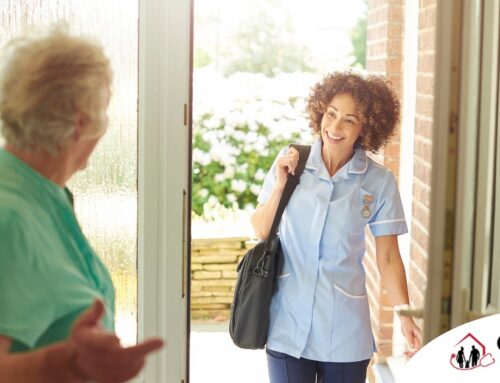
5 Gentle Exercises That Can Help Older Adults Stay Active

Simple, safe ways to build strength, balance, and mobility at home
Staying active is one of the most powerful things you can do for healthy aging. The good news? You don’t need a gym membership or intense workouts. Gentle exercises for older adults can improve strength, flexibility, and balance while protecting your joints and supporting your independence.
Whether you’re an older adult looking to stay mobile or a family member helping a loved one, this guide covers five easy, low-impact exercises for seniors that can be done at home, plus tips on when extra support can make all the difference.
Why Physical Activity for Seniors Matters
Regular movement does more than keep the body strong. According to the National Institute on Aging, staying physically active can help older adults maintain independence, boost energy, improve mood, and lower the risk of many chronic conditions. The CDC’s physical activity guidelines for older adults recommend a mix of aerobic activity, muscle strengthening, and balance training each week.
For seniors, exercise is also one of the best forms of fall prevention. Stronger legs, better balance, and greater flexibility all help reduce the risk of falls, which the CDC’s STEADI initiative identifies as a leading cause of injury among older adults.
Before you begin: Always check with a doctor before starting a new exercise routine, especially if you have a chronic condition, joint pain, or a history of falls. Start slowly, wear supportive shoes, and stop if you feel dizzy, short of breath, or in pain.
1. Short Daily Walks
Walking is one of the best low-impact exercises for seniors. It supports heart health, strengthens the legs, and lifts the mood, all with minimal strain on the joints.
How to do it:
- Begin with 5 to 10 minutes at a comfortable pace.
- Add a few minutes each week as your stamina builds.
- Walk on flat, even surfaces such as a neighborhood sidewalk, a shopping mall, or a hallway indoors.
- Use a cane or walker if you need one.
Tip: Breaking activity into three 10-minute walks throughout the day counts just as much as one longer session. These daily physical activities for seniors are easy to fit into any routine.
2. Chair Stands (Sit-to-Stand)
This simple move builds the leg and core strength needed for everyday tasks like getting out of a chair, climbing stairs, or getting out of bed. It’s one of the best ways to maintain strength as you age.
How to do it:
- Sit near the front of a sturdy chair with your feet flat on the floor, shoulder-width apart.
- Lean slightly forward and slowly stand up, using your hands only if needed.
- Pause, then slowly lower yourself back down.
- Repeat 5 to 10 times, resting as needed.
Safety note: Place the chair against a wall so it can’t slide, and keep a countertop or sturdy surface nearby for support.
3. Heel-to-Toe Walking and Supported Standing Balance
Good balance is essential for staying steady and confident on your feet. These exercises to improve balance in older adults are simple enough to practice at home.
How to do it:
- Supported balance: Stand behind a sturdy chair or beside a kitchen counter, holding on lightly. Shift your weight to one foot and lift the other slightly off the floor. Hold for up to 10 seconds, then switch sides.
- Heel-to-toe walk: Stand near a wall for support and place one foot directly in front of the other, heel touching toes. Take 10 slow steps forward.
Practicing these movements a few times a week can improve stability and help prevent falls. Always have someone nearby if you feel unsteady.
4. Seated Marching and Leg Lifts
Not every day feels like a walking day, and that’s okay. Seated exercises are safe ways for older adults to stay active even with limited mobility, fatigue, or joint discomfort.
How to do it:
- Sit tall in a sturdy chair with your back supported.
- Lift one knee as if marching in place, then lower it and lift the other.
- Continue for 30 to 60 seconds.
- For a leg strengthening variation, extend one leg straight out, hold for a few seconds, and lower slowly. Repeat 8 to 10 times per leg.
This gentle movement improves circulation, builds hip and thigh strength, and supports overall mobility.
5. Gentle Stretching for Flexibility and Mobility
Stretching keeps muscles and joints limber, easing stiffness and making daily movement more comfortable. These gentle exercises to improve mobility can be done sitting or standing.
Try these:
- Shoulder rolls: Roll your shoulders backward in slow circles 10 times.
- Neck stretch: Gently tilt your ear toward your shoulder and hold for 15 seconds on each side.
- Ankle circles: Lift one foot slightly and rotate the ankle 10 times in each direction.
- Seated forward reach: Sit at the edge of your chair and slowly reach toward your toes, holding for 15 to 20 seconds.
Breathe deeply, move slowly, and never stretch to the point of pain.
Tips for Staying Consistent
Building an active routine is easier when it feels manageable and enjoyable:
- Set small, realistic goals. Even 10 minutes a day makes a difference.
- Pair exercise with a habit. Stretch after breakfast or walk after lunch.
- Stay hydrated and rest when needed.
- Exercise with someone. A friend, family member, or caregiver adds motivation and safety.
- Celebrate progress. Better balance, easier movement, and more energy are all wins.
When Extra Support Makes a Difference
Sometimes motivation, mobility challenges, or health concerns make it hard to stay active alone. That’s where in-home support can help older adults feel safe, encouraged, and independent.
A professional home health aide can provide hands-on assistance, from standing guard during your daily walk to helping with mobility, personal care, and everyday routines that keep you moving. For families managing multiple needs, care management offers a coordinated, personalized plan that connects health, safety, and lifestyle goals in one place. And when older adults need help accessing community resources, benefits, or wellness programs, social services support can open the door to additional opportunities for active, connected living.
At Quality Private Home Care, we believe in personalized home care that supports quality of life for older adults, one step at a time. If you’re looking for senior home care in Massachusetts, our team is here to help your loved one stay active, healthy, and independent at home.
Final Thoughts
Staying active as you age doesn’t require intense workouts. With just a few safe exercises for seniors, such as walking, chair stands, balance practice, seated marching, and gentle stretching, you can support senior wellness, protect your independence, and feel better every day.
Start small, stay consistent, and don’t hesitate to ask for support. If you or a loved one could benefit from in-home care for older adults in Massachusetts, contact Quality Private Home Care to learn how we can help.
Disclaimer: This article is for informational purposes only and is not medical advice. Consult a healthcare provider before beginning any exercise program.